
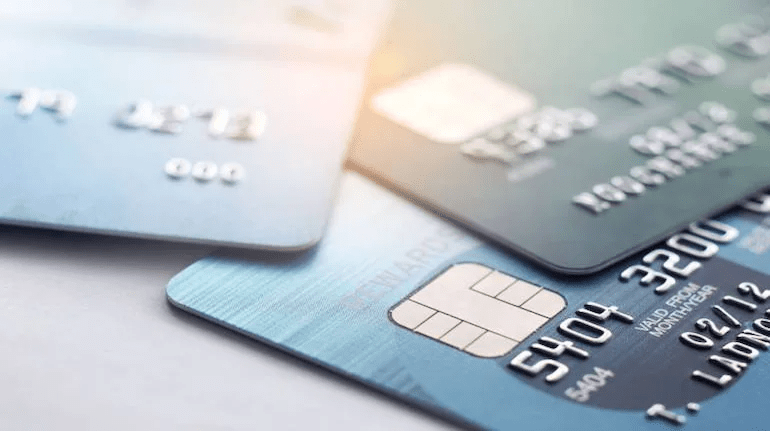
An individual’s first credit card represents a significant monetary advance. However, if utilised appropriately, it might offer an adaptable method for covering unforeseen costs and developing decent money standing. On the other hand, MasterCard might prompt long-haul obligations and troublesome monetary circumstances. So, see how to use a credit card and how not to use one. Fortunately, a large portion of this comes down to your sound judgment!
- Banks and credit unions can issue you a credit card
It can be tough to know where to begin if you’ve never owned a credit card before. An excellent initial step is to inquire about the potential of getting the best credit card from the financial institution where you have a checking or savings account. Most local financial institutions will extend credit to responsible and qualified customers.
However, the length (and quality) of your credit line can have an impact on your credit card eligibility. For example, if you’re a young adult who has only had a savings account for a few months, you might not be eligible for a credit card from your bank. In this instance, you may need to keep your savings account open for a while or go for a secured credit card.
- Obtain a credit card from a financial institution
You don’t have to go to a bank to receive a credit card; many businesses issue credit cards. Some, such as Mastercard, are already familiar to you. These businesses provide a variety of credit cards to a variety of clients. However, they only give them to individuals who feel financially capable enough to pay for them.
If you’re considering one of these credit cards, contact a Consumer Reports-style resource for extra information. In addition, there is plenty of reliable info on the web regarding which cards offer amazing deals and which don’t. As a result, you can get credit suitable for you.
- Get a credit card from a local establishment
Companies in several industries issue their credit cards. When you make a transaction, they will frequently offer you the opportunity to sign up for these credit cards. In addition, store cards often feature high-interest rates and low credit limits compared to other credit cards.
Although, you must be able to demonstrate financial accountability. When you apply for a credit card, the bank or company issuing it wants to know that you will be able to pay back any money you spend. They will do so by checking your credit history provided to them by credit reporting companies. It means that whether or not you can receive a credit card is usually determined by your financial background.
The following are some of the aspects of your banking history are:
- Have you paid off your loans (including loans) on schedule, or have you been late or deferred?
- Rent – Have you been persistent in making on-time rent payments? Unfortunately, only a few tenants send your rental history to credit reporting agencies.
- Have you used prior credit cards wisely and finished your debts on time? It enables you to improve your credit score.
 Newz Finance Blog