
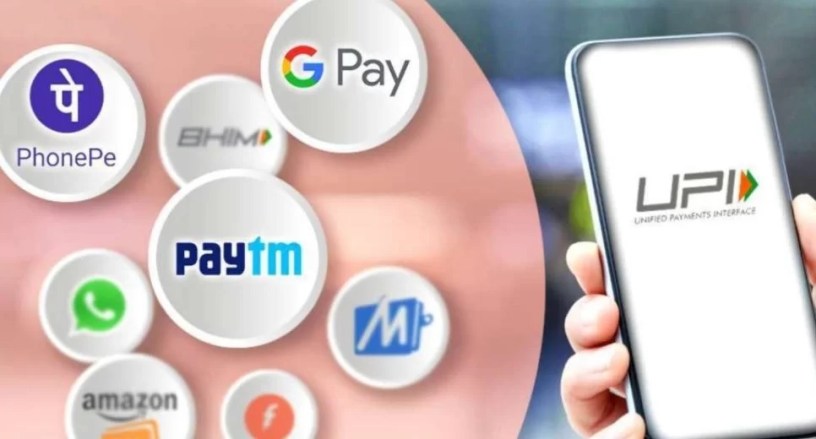
Unified Payments Interface (UPI) is a real-time pay method that was created by the National Payments Corporation of India (NPCI) that allows instant cash transfer between accounts on the mobile platform. Since its launch in 2016, UPI has revolutionized the banking sector in India by providing a fast and secure platform for digital transactions.
One of the key features of UPI is its ability to facilitate peer-to-peer (P2P) transactions. This means that individuals can send and receive money directly from their bank accounts without the need for intermediaries such as credit cards or e-wallets. UPI also enables merchants to accept payments from customers’ bank accounts, making it a convenient option for online and offline transactions.
One of the significant benefits of UPI payment is its convenience. With UPI, users can make payments or transfer money using their mobile phones, eliminating the need to visit a bank or ATM.
All required is a smartphone with an internet connection and a UPI-enabled app. You can quickly transfer money overseas with UPI apps. This has made it easier for people, especially in rural areas, to access financial services and carry out transactions.
UPI has also improved the security of digital transactions in India. It uses a two-factor authentication process, which requires the user to enter a unique personal identification number (PIN) and their mobile number, to complete a transaction. This ensures that only the authorized user can access their bank account and carry out transactions.
In addition to P2P and merchant payments, UPI has also been used to facilitate government-to-person (G2P) payments. This includes the disbursement of government subsidies and social welfare schemes, which have helped to improve financial inclusion in the country.
The adoption of the UPI payment app has been rapid in India, with the number of UPI transactions crossing the one billion mark in just three years of its launch. As of September 2022, UPI had a market share of over 50% in the digital payments space in India, surpassing even popular e-wallets such as Paytm and Google Pay.
UPI’s success in India has also led to its adoption in other countries. NPCI has partnered with foreign banks to launch UPI in other markets, such as Singapore and the UAE.
The adoption of UPI has also significantly impacted the banking sector in India. Traditional banks have had to adapt to digital payments and incorporate UPI into their services to remain competitive. You can even track money and budget with these applications.
In conclusion, UPI has revolutionized the banking sector in India by providing a fast and secure platform for digital transactions. Its convenience and security features have led to its widespread adoption, and it has also helped to improve financial inclusion in the country. The success of UPI in India has led to its adoption in other markets, and it is likely to continue shaping the future of banking globally. Send Money India to any country you like with a click of a button. UPI has changed banking and traditional transactions and has become much easier and simpler.
 Newz Finance Blog